
Blog Posts

4 tips to organize your student housing and reduce clutter-image

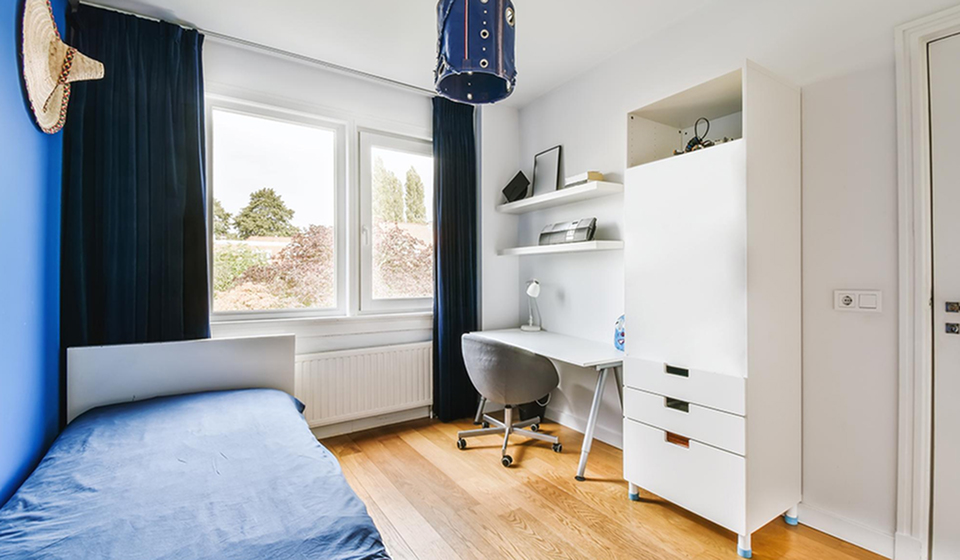
Starting life in student housing can be both exciting and overwhelming. Student life moves fast between classes, assignments, and social events, and keeping your space organized is another task on a long to-do list. However, a tidy room can make a big difference. It can reduce stress, boost focus, and help you feel more at ease in your space. The good news is that keeping your room neat and functional is easier with a few simple strategies.  Whether you live in student housing near Ontario Tech University or elsewhere, these practical tips will help you maintain a space that supports your study time and downtime. Declutter regularly to maintain a sense of calmness One of the easiest ways to keep your room organized is by decluttering regularly. Over time, it’s natural for things to pile up, making your space feel crowded and stressful. Set aside a few minutes each week to go through your belongings and remove anything you no longer need, use, or want. This could be old papers, unused stationery, clothes no longer fit, or extra decorations. Donate, sell, or throw away these items to free up space and keep your room open and manageable. Regular decluttering helps prevent mess and makes your apartment easier to maintain. Implement a paper and assignment management solution Student life involves much paperwork—lecture notes, assignments, handouts, etc. These papers can pile up quickly without proper management, cluttering your space. To stay organized, use folders, binders, or drawer organizers to sort your documents by subject or deadline. You can also try digitizing your notes and assignments when possible to cut down on paper. Keeping your academic materials in order makes your room look cleaner and helps you find things quickly when needed. This is especially helpful when managing a busy student housing schedule. Simple tools like pen holders, small drawer trays, or desk shelves can go a long way. Your desk setup doesn’t have to be fancy—it can be part of a bookshelf or wardrobe. The key is to keep it clean because a messy desk can make it harder to focus.  Create designated zones for different activities Think about how you use your room and create designated zones for different activities. Have a specific area for studying with a desk and good natural lighting. Designate a space for relaxing, perhaps with comfortable cushions. If space allows, create a separate area for eating. Defining these zones helps to keep your belongings organized and makes it easier to transition between different tasks. This zoning approach contributes to a more functional and less cluttered living environment in your room. Optimize hidden spaces for storage Look for underused spots in your apartment. Can you slide containers under your bed? Store extra supplies above your wardrobe? Add hanging baskets to your closet door? Not only does this keep your living space open and uncluttered, it also provides a place for all your essentials, ensuring everything has its spot without compromising on space. Conclusion Staying organized is much easier when you start with a thoughtfully designed living space. At Foundry Simcoe , we offer fully furnished student housing near Ontario Tech University, complete with modern amenities and layouts that support your lifestyle. Whether you're studying, socializing, or recharging, our suites provide a smart foundation for a clutter-free life. Located close to campus and built with students in mind, we make it simple to balance comfort and productivity. Explore your next home with us today and enjoy student living that fits you.  

Read more
6 habits that will make your roommate your best friend-image

Moving into off-campus housing is a significant step in your university journey. Finding the right place and building positive relationships with your roommates is crucial. Sharing a living space can be an enriching experience, leading to lasting friendships and a strong support system during your academic years. However, creating a positive and supportive living environment requires effort and a bit of intentionality.  Adopting a few simple habits can go a long way if you want to strengthen your relationship with your roommate and turn them into your best friend. In this blog, we’ll explore six habits to help you bond with your roommate and make your shared living space a place of mutual respect and enjoyment. Open and honest communication Like any strong relationship, a good roommate dynamic thrives on clear and open communication. Don't let small irritations fester. Instead, establish a comfortable environment where everyone feels safe to express their needs and concerns respectfully. Whether it's about noise levels during study hours or sharing kitchen responsibilities, talking things out directly can prevent misunderstandings and build trust. Discuss communication styles with potential roommates beforehand to ensure compatibility. Setting clear expectations together Before moving in, or shortly after, have an open discussion about shared living expectations. This includes things like cleaning schedules, guest policies, quiet hours, and how you plan to share groceries or household supplies. Writing these down can be surprisingly helpful. When everyone is on the same page regarding these fundamental aspects of shared living, it minimizes the chances of conflict and fosters a sense of fairness.  Respecting boundaries and personal space While sharing a space, respecting each other's boundaries and space is paramount. This means being mindful of noise levels, not borrowing belongings without asking, and understanding when your roommate needs alone time. Treat their room as their private sanctuary. Recognizing and honouring these boundaries cultivates mutual respect and helps maintain a comfortable living environment. Practicing consideration and compromise Living with someone else inevitably involves compromise. Not everyone will have the same preferences or routines. Being willing to meet your roommate halfway on decisions, whether it's about the groceries or study preferences, demonstrates consideration and strengthens your bond. Remember, the goal is to create a living space that works for everyone.  Making time for shared activities While respecting personal space is vital, intentionally spending quality time together can transform a roommate relationship into a true friendship. This doesn't have to be anything elaborate – it could be watching a movie together, cooking a meal, exploring local spots in Oshawa, or even having a casual conversation after a long day of classes. Shared experiences create positive memories and strengthen your connection beyond just being housemates. Addressing conflicts constructively Disagreements are a natural part of any shared living situation. However, it's how you handle these conflicts that truly matters. Approach disagreements calmly and respectfully, focusing on finding a solution rather than assigning blame. Listen to your roommate's perspective and try to understand their point of view. Resolving conflicts constructively can strengthen your relationship and build a better understanding for the future. Final words Choosing the right off-campus housing is the first step towards a positive university experience. At Foundry Simcoe , we understand that convenience, comfort, and a supportive environment are crucial for students. With fully furnished apartments and various amenities designed to make life easier, our student residence near Ontario Tech University is the perfect place to build lasting relationships with roommates and enjoy your time in Oshawa. Our monthly in-suite cleaning services provide a hassle-free way to maintain a clean and organized living space, allowing you to focus on your studies and enjoy your time. Make us your home away from home and experience student living at its finest.

Read more
Ideas for Your College Bucket List-image

College is about much more than earning a credential. Make sure you have all the classic college experiences, form lifelong memories, and occasionally push yourself out of your comfort zone to do something adventurous by creating a bucket list. What you put on it will be unique to you, but you may like to include the following. 1. Visit All the Main Sites in Your College Town It’s easier than you may think to never fully get to know your college town, especially if you spend most of your time on campus. When you have free time, explore your surroundings. Check out what’s on offer in terms of shopping, restaurants, and tourist attractions. You may find spots you like to visit often, such as great thrift stores or a local coffee shop. 2. Explore the Hiking Trails There are almost always hiking trails not too far from college towns. Free up a few weekends to visit all those close to you with a group of friends. You may like to pack a picnic to make a day of it. 3. Take a Photo with Your College Mascot Make sure you have at least one photo of yourself with your college mascot. Jump at any chance you get to avoid missing out. 4. Attend a Sports Game Support your school at a home game for a sport you enjoy — even better, go to one when a friend is playing. This is also a great time to see your college mascot, allowing you to check two things off your bucket list at once. 5. Go on a Road Trip You only have your college years to be around your friends. Make the most of this time by taking a trip together. Pack yourselves into a car or two and hit the road. You only need a weekend, but you could also use all of spring break or a week or two of summer break. Keep the trip low cost by visiting national parks and camping or choose places you’ve always wanted to go to, such as amusement parks or particular cities. 6. Stay Up All Night Make pulling an all-nighter a fun item for your bucket list by staying up with friends rather than desperately trying to finish an assignment by the due date. Prepare plenty of snacks, games, and gossip. 7. Host a Friendsgiving A major trend at college is Friendsgiving. This is the perfect way to celebrate the holidays with friends, whether or not you’re also able to go home. Make it a potluck to avoid all the cooking falling to one person, prepare drinks, and decorate the space. 8. Join a Club Feel like a part of your college by joining a club, student organization, or sports team. This is also a great way to expand your social circle, discover new interests, and develop your skills. 9. Have a Karaoke Night Head to a karaoke bar for the night with a group of friends. Make sure you sing at least one song yourself, even if you’re feeling anxious. 10. Pay a Friend at Another School a Visit See what life is like at another school by visiting a hometown friend who’s attending a different college. This will also give you the chance to see another city, make more friends, and perhaps give you ideas about what school you’d like to attend later, if you’re planning to continue your education to grad school. You’re certain to have more fun during college if you’re living in your own apartment and are surrounded by other students. Plus, this means you’ll be able to host fun events with friends at your place. Find Durham College off-campus housing just for students at Foundry Simcoe. You’ll be able to walk to your classes, save time with our in-suite cleaning service, and meet new people in the community lounge. Apply now for your preferred floor plan.

Read more
The Rise of Virtual Internships & What It Means for You-image

With more permanent job positions now becoming remote, it’s unsurprising that virtual internships are also growing in popularity. This has advantages for companies and students alike, but it also poses some challenges you need to be aware of before you decide to apply. Here’s what you should know. How Virtual Internships Work You may see virtual internships advertised as remote internships. They allow you to work from anywhere with an internet connection, meaning you don’t need to be in the same city or even the same country as the company you’re working for. You’ll use tools like video conferencing, instant messaging, and project management software to collaborate with team members. You’ll learn many of the same skills you would at an in-person internship in addition to skills specific to remote work, with an emphasis on time management, communication, and initiative. Benefits for Students Although there are several major benefits of virtual internships for students, the main one is likely the chance to work at any company in the world without needing to relocate for a few months. Working in another country could be ideal if you want to practise your language skills or learn about another culture — which will look great on your resume. It may also mean you have the chance to intern for your dream company. Another benefit is the cost savings. You’ll be able to continue living in your student apartment, will have no commute, and will save on things like food and other expenses that come with an in-person internship. You will need a laptop powerful enough for the work you’re carrying out, but it’s likely that the company will provide you with all the software you need. A final benefit is flexibility. Most virtual internships require you to dedicate 20 to 30 hours a week to work, but they may allow you to choose your hours to an extent. This means you’ll be able to fit your internship around other activities, such as a part-time job, summer classes, travel, or hobbies. Possible Challenges To make the most of your virtual internship, there are a few potential downsides you’ll need to overcome. For instance, you’ll need to be much more disciplined than you would if you were going into the office. No one will be directly supervising you, but your employer will still expect you to meet deadlines and put in enough hours every day. This will mean you must avoid distractions and stick to a schedule. Another difficulty will be forming meaningful relationships with people at the company. You’ll need to put in extra work to develop connections to ensure you leave your internship with valuable contacts, including mentors and people who may be able to offer you a job in the future. This may require you to seek opportunities to start conversations online or invite coworkers to a video chat to discuss their work. To thrive at a virtual internship, you need to have a quiet space of your own where you can work throughout the day. You’ll find this in the Durham College student housing at Foundry Simcoe. Our luxurious suites are fully furnished (including with a desk and chair) and there is high-speed Wi-Fi throughout the building. Apply now — only limited spots remain.

Read more
How to Make Friends with Your New Roommate-image

One of the biggest challenges many students face when they start college is learning to live with new people. It’s likely you don’t know anyone else attending the same school, meaning you’ll need to live with strangers. To make the experience a positive one, it’s ideal if you become friends with your roommate. Start developing a friendship before you even arrive at campus with these tips.   1. Follow Each Other on Social Media   Find out what you have in common with your roommate by checking out what he or she posts online. Following each other on social media will allow you to get to know your future roommate before you even speak — which should make your first encounter feel less awkward.   Send your roommate an email asking for his or her social media handles rather than searching for your roommate by name. This will feel less intrusive and mean your roommate is aware that you’ve seen his or her posts when you first talk.   It’s more than possible that some aspects of your lifestyles won’t align. One of you may be an introverted bookworm; the other may be into partying. However, it’s likely you’ll still find plenty of things you agree on and topics to talk about. For instance, you may both have pets you love, follow the same sports, or share some of the same opinions.   Bear in mind, it’s impossible to truly know someone through social media. People tend to post the best things in their lives — what they want their followers to see. There will likely be many more facets to your roommate that you’ll only discover by building a deeper connection.   2. Have a Video Call or Face-to-Face Meetup   You may like to begin communicating with your roommate through text or email, but it makes sense to have a proper conversation at least once before you start living together. This will give you a better sense of your roommate’s personality and reduce the risk of misunderstandings.   If you live near each other, your best option is to have a face-to-face meetup. Go for a coffee or find an activity to do together that you both enjoy. If that’s not a possibility, your second-best option is to have a video call. This is better than a phone call, as you’ll be able to see each other’s facial expressions and body language. You’ll also feel much more comfortable when you move in if you’ve seen your roommate’s face as well as heard his or her voice.   3. Talk About Your Expectations for Living Together   Keep the conversation flowing over the summer by talking about expectations and ideas for when you live together. In addition to setting some ground rules, talk about who will bring what to your housing to avoid purchasing things you won’t need. You may also like to think of a couple activities to do together when you arrive, such as exploring campus and attending events.   You’re more likely to stay friends with your roommate if you’re able to avoid conflict. This means sharing an apartment rather than a bedroom. A great alternative to Durham College residence is Foundry Simcoe. Choose between a three-bedroom flat suite and a five-bedroom townhouse — either option comes fully furnished with en suite bathrooms, a kitchen with granite countertops, and a spacious living room. Plus, you can ask us to pair you with roommates or request to share with friends. Contact us to join our student community.  

Read more
5 Options for Getting Around on Campus-image

Many college campuses are large, meaning you often have a long walk from one class to another as well as to the library, dining hall, or wherever else you’re going. When you have a tight schedule, it may be difficult to reach where you need to be on time if you’re walking. The good news is you have many options for getting around campus — including some you likely haven’t considered.   1. Skateboard   Skateboarding is a convenient way to move around campus with speed, even through tight spaces. When you arrive at your destination, just pick up your board and carry it with you. If you’re not much of a skater, a long board is ideal because it’s easier to balance on and control than a standard skateboard.   2. Scooter   A similar option to a skateboard is a scooter: it’s a convenient size and you use your own momentum to glide around campus. Make sure you find one designed for adults — ideally, with extra-large wheels to support your weight and a long deck to fit both your feet comfortably when you pick up speed.   3. Hybrid Bike   In addition to providing you with a means of transport between classes, having a bicycle will be great for reaching campus from your student apartment, heading to the grocery store, and going biking on weekends. If you want an all-purpose bike, your best option is a hybrid. This will be sturdy enough to take you up mountains but feature a lightweight frame that means it’s not too much of a chore to carry it upstairs.   4. Inline Skates   If you already know how to skate, you may like to bring some inline skates along with you to campus. As well as ensuring you make it to your classes on time, they’ll give you a way to get around town. You’ll likely see other students doing the same — strike up a conversation with them to make some new friends whom you can go out skating with on the weekends.   5. Electric Scooter   Your mode of transport for campus doesn’t need to be something that requires exertion on your part. Electric scooters are one of the most comfortable ways to get around, as they have a soft seat and a basket for your books or other belongings. Many models even come with a seat big enough for two, meaning you’ll be able to give a friend or roommate a ride. Plus, nothing beats an electric scooter if your journey involves a climb up a steep hill.   If you live near campus, you’ll only need a means of transport for between classes and to take you the short distance from campus to your student housing. Oshawa students can live just steps from Ontario Tech University and Durham College’s North Oshawa campus by moving into Foundry Simcoe. You’ll have everything you need on site, including your own washer and dryer. Plus, if you have a part-time job farther afield or just want to bring your car to school with you anyway, you can take advantage of our reser ved parking. Book a tour to check out our housing for yourself.  

Read more